Walk down any sock aisle, and you’ll notice it before you can even name it. Some shelves look sharp — pairs sitting square, nothing slumping over. Others look like someone dumped a laundry basket and walked away. Same product, basically. Totally different impression.
Nobody designs socks to look messy. But a lot of brands don’t think much beyond “fold it, bag it, ship it,” and that’s usually where things start to go wrong.
The Problem With “Close Enough” Packaging
Most sock brands aren’t being careless on purpose. They just grab a box size that’s roughly right — not wrong exactly, just not built for the product — and move on.
A few things go sideways because of that:
- Socks shift around during handling and transit, so the neat fold they started with doesn’t survive the trip
- Boxes that are too big waste shelf space and make a fully stocked display look half-empty
- Boxes that are too tight crush the fabric and leave crease lines before the socks have even been worn
- Packaging that’s inconsistent across a product line makes the whole shelf look thrown together, even when every pair inside is fine
The socks aren’t the issue, most of the time. The box just isn’t doing the one job it’s supposed to do.
What Actually Changes When the Fit Is Right
Fix the fit and a handful of small annoyances tend to disappear all at once.
Shelves stay consistent. Socks boxed to a snug, repeatable size stack evenly and face the same way, instead of leaning sideways after a few customers dig through the bin.
Folds hold. A box cut to the actual folded dimensions keeps that fold locked in. No refolding needed, no flattening on one side.
Multi-packs stay sorted. A sleeve or insert that separates individual pairs stops a three- or six-pack from turning into a tangled knot somewhere between the warehouse and the shelf.
Branding shows up the way it’s meant to. Packaging sized right means the print sits where it should — not stretched thin around extra space it didn’t need.
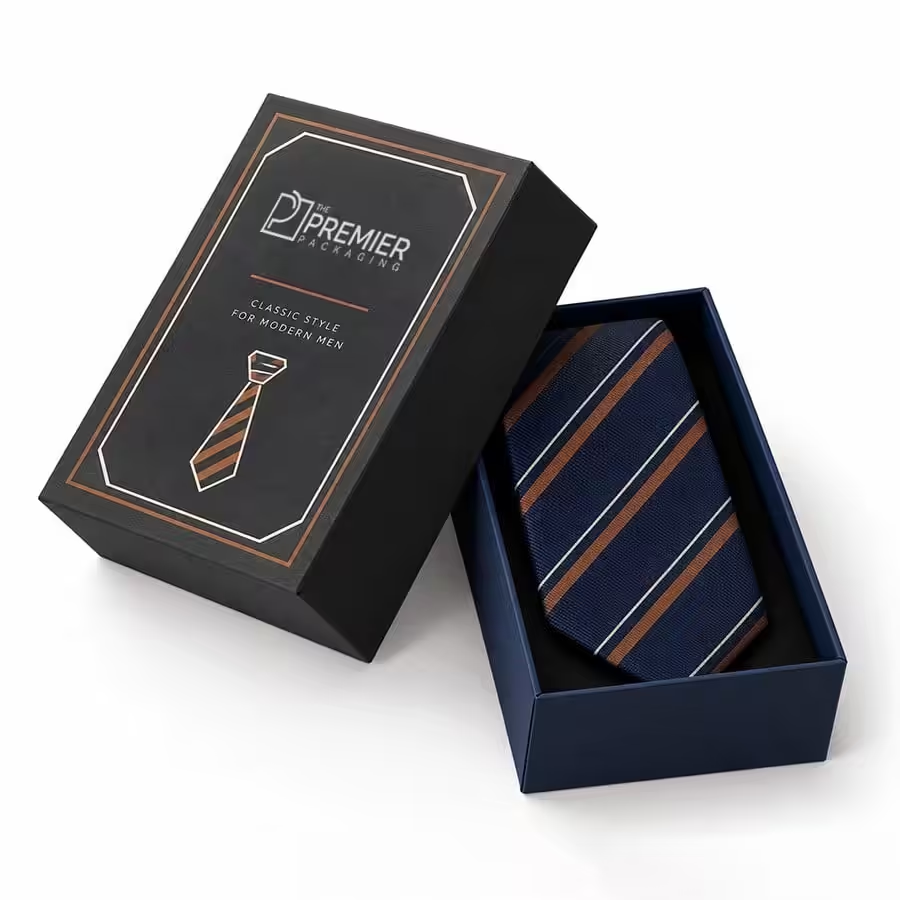
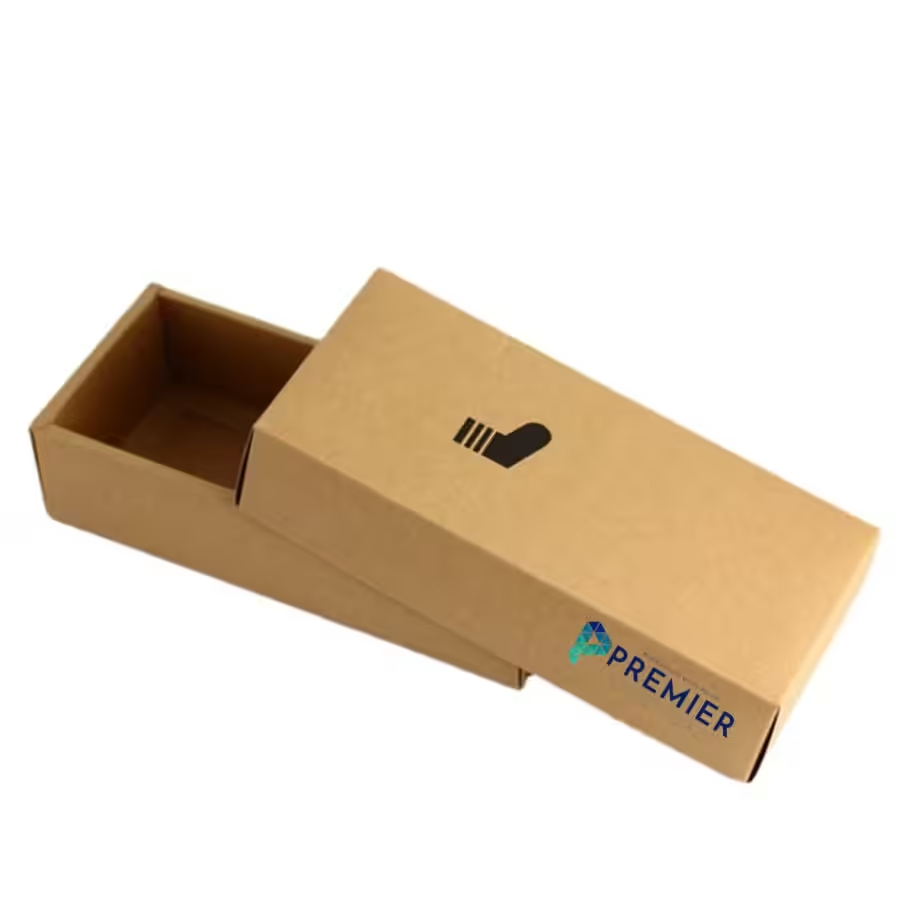
This is really the whole case for custom boxes & sleeves for socks. A sleeve in particular works well here — open front or small window, fold held firm underneath, branding visible without needing a full box around it.
Box or Sleeve? Depends on What You’re Selling
| Factor | Rigid Box | Sleeve Design |
| Best for | Gift sets, premium dress socks | Everyday multi-packs |
| Shelf stacking | Holds shape well | Fine, but stacks flat |
| Branding space | Full surface | Good for windowed prints |
| Cost | Higher | Lower |
| Unboxing feel | Gift-ready | Quick, practical |
| Shelf space use | Moderate | Slim, efficient |
Neither one wins outright. A holiday gift set probably wants a box structure. A six-pack of basic crew socks sold by the dozen usually does better in a slim, cheaper sleeve that still looks tidy sitting flat on a shelf.
A Few Things Worth Getting Right
- Measure the folded sock, not the loose one — that’s the shape the packaging actually needs to match
- Build pack-size packaging separately rather than just scaling one design up or down
- Pick a material weight that survives repeated handling, not just one that photographs well
- Keep the design consistent across the whole line — mismatched packaging reads as disorganized even when the product’s identical in quality
Brands working with manufacturers like Premier rigid boxes usually start from the folded product dimensions first, then build the box or sleeve around that — rather than forcing socks into a size that was never meant for them in the first place.
Final Words
Socks are a small product, but the packaging around them is doing more than people give it credit for holding the fold, keeping pairs sorted, making a shelf look like someone cared about how it looks. Getting the fit right isn’t really about appearances for their own sake. It’s the difference between a shelf that looks considered and one that looks like whatever box was lying around got used.