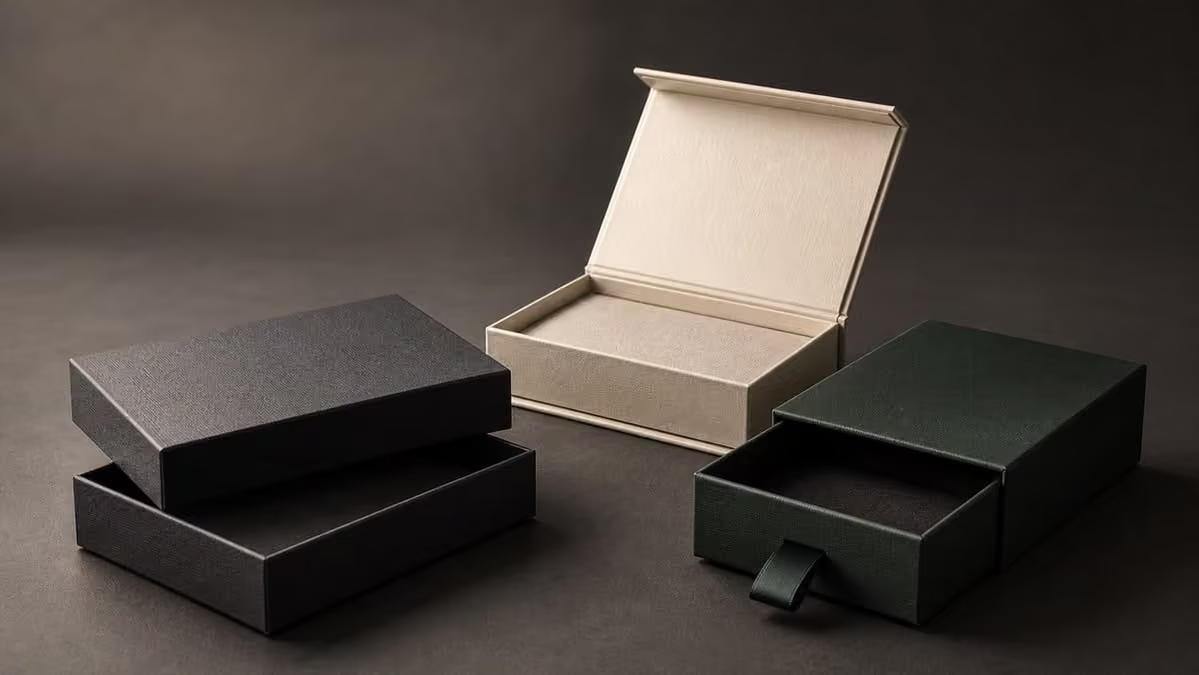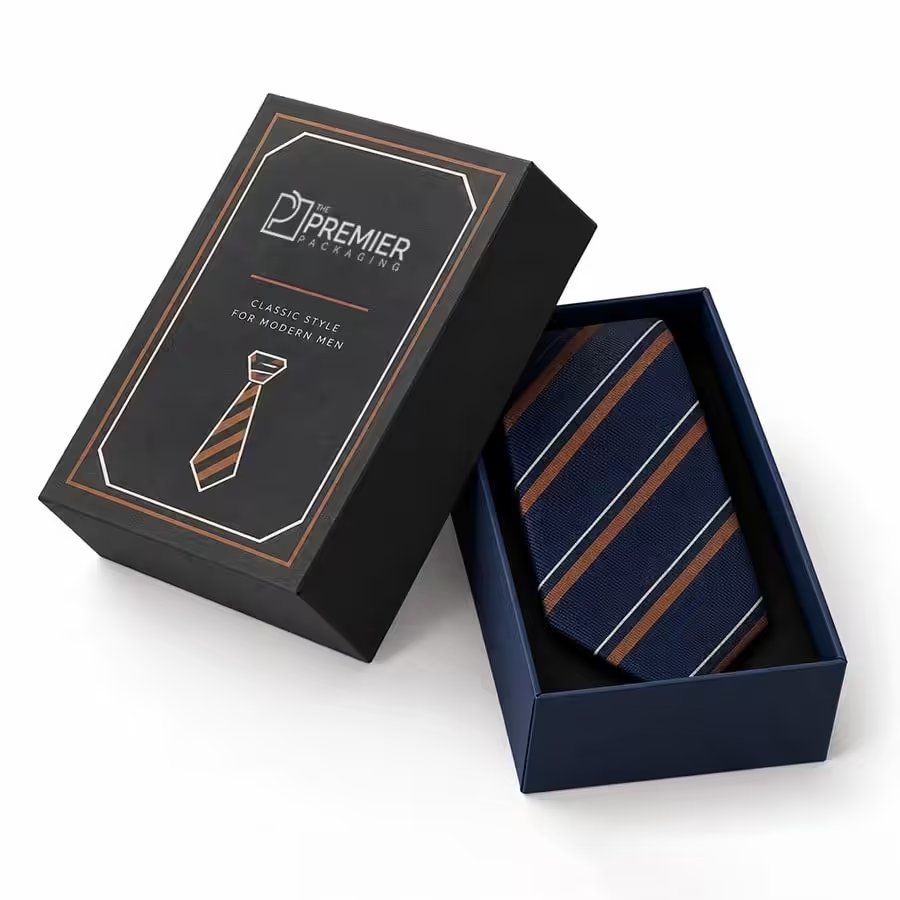
Picture two identical candles on a shelf. One sits in a plain sleeve. The other rests in a well-made box with a clean label, a soft-touch finish and a ribbon tucked through the lid. Most shoppers will reach for the second one, and many will pay more for it, even though the wax inside is the same.
Candles are bought with the senses and the heart. People cannot smell a sealed jar through glass, so they judge what they can see and feel. Packaging does that talking. For a product that is bought as a gift more often than almost any other home item, it deserves real attention.
Why Candles and Gifts Go Together
Candles suit nearly every occasion: housewarmings, birthdays, thank-yous, weddings, sympathy cards and holiday exchanges. They are personal without being intrusive, and they fit most budgets. That popularity means a large share of your customers are not buying for themselves. They are buying for someone else, and they want something that looks ready to hand over.
A gift buyer is also short on time. If your candle already looks finished, with a box, a message space and a neat closure, you remove the extra step of finding wrapping paper. That convenience is a quiet but powerful reason to choose your product over a bare jar.
How Packaging Builds Product Appeal
It Creates a First Impression Before Anyone Lights the Wick
Shoppers decide quickly. Color, shape and finish register in a second or two, long before anyone reads the scent notes. Packaging that matches the mood of the fragrance helps the product feel coherent. Warm earth tones suit amber and sandalwood. Pale greens and whites suit linen and eucalyptus. When the outside promises what the inside delivers, trust builds fast.
It Raises Perceived Value
Weight, texture and finish change how a product is priced in the buyer’s mind. A rigid box with a snug lid feels more expensive than a thin carton. Foil details, embossed logos and a smooth matte coating suggest craft. This does not mean spending wildly. A modest increase in packaging quality can support a noticeably higher shelf price.
It Tells Your Brand Story
A box has more surface area than a label. You can use it to share the wax type, the burn time, the maker’s name or a short note about how the candle was developed. Buyers who read that story feel closer to the brand, and that connection brings repeat orders.
It Helps You Stand Out Online
Social feeds and marketplace listings are crowded with candle photos. Distinctive packaging gives you something recognizable to photograph, and customers love sharing an unboxing that looks good. Every shared picture works as free advertising.
Elements That Make a Gift Experience Feel Special
Appeal gets the sale. Experience earns the loyalty. A few design choices turn opening the package into a small event.
- A lid that opens with some ceremony. Magnetic closures, lift-off lids and fold-out sleeves slow the moment down in a good way.
- Layered reveals. Tissue paper, a printed insert or a message card makes the recipient feel the gift was prepared with care.
- A space for a personal note. Even a small blank card on the inside of the lid lets the giver add a line of their own.
- Sensory touches. A lightly scented tissue sheet or a textured wrap makes the box memorable before the candle appears.
- A tidy finish. Clean edges, centered printing and a snug fit signal quality at once. Crooked labels do the opposite.
Protection Still Comes First
A beautiful box that arrives with a cracked jar defeats its own purpose. Gift packaging must hold the product securely, which means a tight fit, a supportive insert and sturdy board. Loose jars shift, label corners scuff and wax can chip. Aim for a design where the candle sits firmly in place with no rattling when the closed box is shaken.
It also helps to think about the whole journey. A box that looks perfect on a shelf may need an outer shipping carton for online orders. Designing the two layers together keeps the presentation intact from your workshop to the recipient’s table.
Matching Packaging to Candle Types
Not every candle needs the same treatment. The format should follow the product.
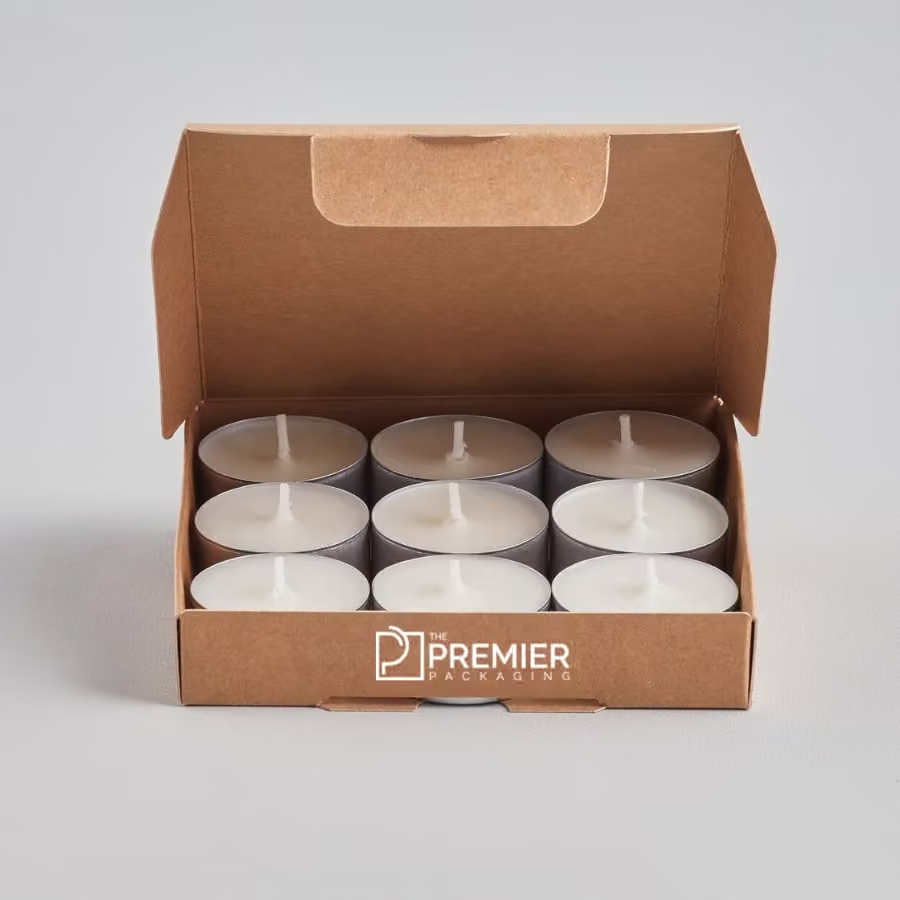
Jar candles do well in rigid boxes or sleeves with an insert that cradles the base. Pillar and taper candles suit slim window boxes or sleeve-style cartons that show the color. Votives and small gift sets work in divided trays that present several pieces at once. Travel tins can use compact, minimalist boxes that keep costs low.
For brands that stock components as well as finished candles, retailers sourcing Empty Tealight Candles packaging Wholesale often look for clear-lidded boxes or compartment trays, since these let buyers see the cups while keeping each one protected and neatly arranged. Bulk buyers should also check that the packaging fits stackable shelf displays, because that makes restocking quicker and keeps stores looking tidy.
Sustainability as a Selling Point
Many gift shoppers now check what a package is made of. Recyclable paperboard, FSC-certified materials, soy-based inks and plastic-free closures give conscious buyers a reason to choose you. State these facts plainly on the box. A small recycling symbol and a short line about materials is more persuasive than a long claim, and customers are quick to notice when claims are vague.
Practical Tips Before You Order
- Order samples first. Check fit, color and feel in your hands, not just on a screen.
- Think about seasons. Holiday boxes can carry a limited-edition design, while an everyday range stays neutral.
- Plan for storage. Flat-packed boxes save warehouse space until you need to assemble them.
- Balance cost and effect. Spend on the details customers touch most, such as the lid, the surface finish and the insert.
- Keep the branding consistent. Matching fonts, colors and tone across labels, boxes and cards makes the range look like a single, trustworthy brand.
Final Thoughts
A candle sells on scent and ambiance, but a gift sells on feeling. Thoughtful packaging connects the two. It makes the product look worth choosing, protects it on the way and gives the recipient a small moment of delight before the wick is ever lit.
Invest in structure, finish and detail, and the box stops being a wrapper. It becomes part of the gift itself, and part of the reason customers come back.
Frequently Asked Questions
1. Does gift packaging really increase candle sales?
Yes. Well-designed packaging raises perceived value, attracts shoppers who are buying for others and gives customers a reason to photograph and share the product. Many brands see higher average order values after upgrading their boxes.
2. What is the best box style for a candle gift?
Rigid boxes with a snug lid suit premium jar candles, while sleeve boxes and window cartons work for lighter or budget ranges. Choose the style that fits both the candle’s weight and your price point.
3. How can I make packaging feel personal?
Add a blank message card, a handwritten-style note or a space inside the lid for a short greeting. Small personal touches make a gift feel considered rather than mass-produced.
4. Should I include an insert inside the box?
Almost always. An insert stops the candle from moving, protects the label and keeps the presentation neat. Paper pulp and cardboard options are recyclable and effective.
5. Is eco-friendly packaging more expensive?
Not necessarily. Recycled paperboard and simple structures can cost less than heavily laminated boxes. Higher-end finishes add cost, so spend where customers notice and keep the rest simple.
6. How do I make sure packaging survives shipping?
Use a tight fit, a sturdy outer carton and a simple drop test before large orders. A closed box should not rattle when shaken, and corners should hold their shape after a fall from about one meter.