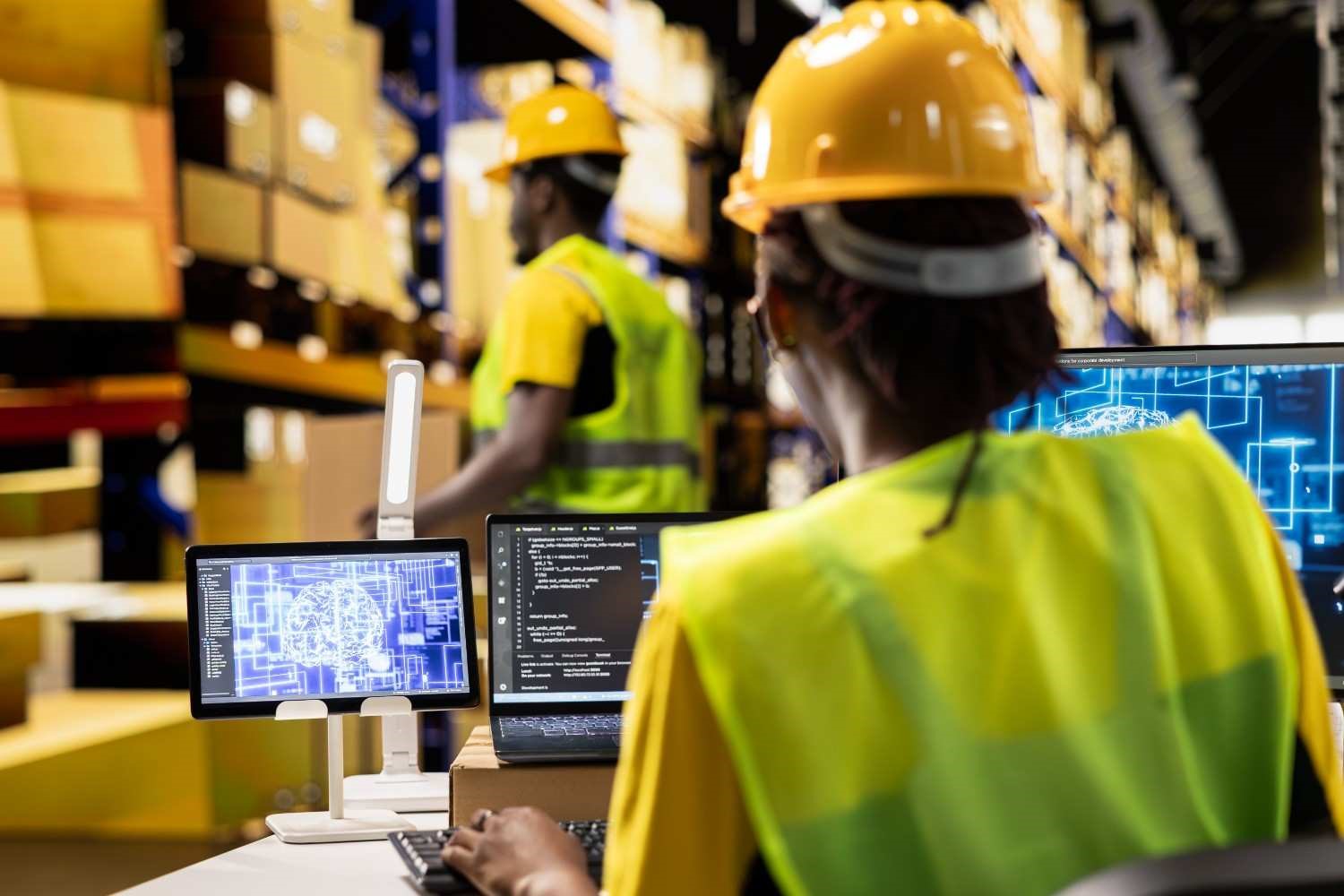
Warehouse automation has become an essential part of modern supply chain management as businesses strive to improve efficiency, accuracy, and customer satisfaction. Growing customer expectations, increasing order volumes, and the demand for faster deliveries have encouraged companies to adopt automated technologies that simplify warehouse operations. Instead of relying entirely on manual labor, organizations are integrating intelligent systems that handle repetitive tasks with greater speed and precision.
From inventory tracking to order fulfillment, warehouse automation supports every stage of warehouse management. It reduces human errors, minimizes operational costs, and helps businesses make better use of their available resources. Whether a company operates a small distribution center or a large logistics facility, automation provides the flexibility needed to meet changing market demands. As industries continue to embrace digital transformation, warehouse automation is becoming a key driver of long-term business success.
Understanding Warehouse Automation
Warehouse automation refers to the use of technology, software, and automated equipment to perform warehouse tasks with minimal human intervention. These systems are designed to improve the movement, storage, and management of inventory while reducing the time and effort required for daily operations. Automated solutions may include conveyor systems, robotic pickers, barcode scanners, warehouse management software, and automated storage and retrieval systems.
The primary goal of warehouse automation is to streamline operations while maintaining high levels of accuracy. Instead of manually locating products, recording inventory, or transporting goods, automated systems perform these activities efficiently and consistently. This allows warehouse employees to focus on more valuable responsibilities that require decision-making and problem-solving, ultimately improving overall productivity.
How Warehouse Automation Improves Operational Efficiency
One of the greatest advantages of warehouse automation is its ability to improve operational efficiency across the entire supply chain. Automated equipment can process orders faster than manual methods while maintaining consistent performance throughout the day. This reduces delays and enables businesses to fulfill customer orders within shorter timeframes.
Automation also improves inventory visibility by updating stock information in real time. Warehouse managers can monitor inventory levels, identify shortages, and make informed purchasing decisions without relying on manual stock counts. Improved accuracy reduces unnecessary inventory holding costs and prevents issues such as stockouts or overstocking. As a result, businesses can operate more efficiently while providing better customer service.
The Role of Automation in Reducing Costs and Errors
Manual warehouse operations often involve repetitive tasks that increase the likelihood of human error. Incorrect product selection, inaccurate inventory records, and shipping mistakes can lead to customer dissatisfaction and additional operational expenses. Warehouse automation significantly reduces these risks by ensuring consistent and accurate task execution.
Automated systems also help businesses lower labor costs by handling repetitive processes that previously required large teams of workers. While automation requires an initial investment, the long-term savings often outweigh the implementation costs. Companies benefit from reduced waste, fewer product returns, improved inventory accuracy, and better resource utilization. These financial advantages contribute to increased profitability and stronger business performance.
Enhancing Workplace Safety Through Automation
Warehouse environments can present various safety challenges, especially when employees handle heavy loads, operate machinery, or perform repetitive lifting tasks. Warehouse automation reduces these risks by assigning physically demanding activities to automated equipment and robotic systems. This minimizes workplace injuries while creating a safer environment for employees.
Safer working conditions also contribute to higher employee satisfaction and improved productivity. Workers can focus on supervision, quality control, and technical operations rather than repetitive manual handling. Businesses that prioritize employee safety often experience lower absenteeism, reduced compensation claims, and stronger workforce retention, making automation beneficial for both employers and employees.
Supporting Business Growth and Scalability
As businesses grow, warehouse operations become increasingly complex. Higher order volumes, expanded product ranges, and multiple sales channels require efficient inventory management and faster fulfillment processes. Warehouse automation provides the scalability needed to support this growth without significantly increasing operational complexity.
Automated systems can handle larger workloads while maintaining consistent performance, allowing businesses to expand confidently. Companies can introduce new products, serve additional markets, and process seasonal demand spikes more effectively. This flexibility ensures that warehouse operations continue supporting business objectives as customer expectations and market conditions evolve.
Why Warehouse Automation Matters for the Future
The future of logistics and supply chain management is closely connected to warehouse automation. Advancements in artificial intelligence, robotics, machine learning, and data analytics continue to make automated systems smarter and more efficient. Businesses that invest in automation today are better prepared to adapt to future technological developments and changing customer demands.
Warehouse automation also supports sustainability initiatives by optimizing storage space, reducing unnecessary transportation, and minimizing energy consumption. Improved operational efficiency leads to fewer wasted resources and more environmentally responsible business practices. As competition continues to increase across industries, organizations that embrace automation gain a significant advantage through improved productivity, faster delivery, and enhanced customer satisfaction.
Conclusion
Warehouse automation is transforming the way modern businesses manage inventory, fulfill orders, and optimize daily operations. By combining advanced technology with intelligent warehouse management practices, companies can improve efficiency, reduce operational costs, increase accuracy, and create safer working environments. These benefits not only strengthen internal processes but also enhance the overall customer experience.
As supply chains become more demanding and competitive, warehouse automation is no longer a luxury but a strategic investment for sustainable growth. Businesses that adopt automation can respond more quickly to market changes, scale their operations with confidence, and maintain a competitive edge in an increasingly digital economy. Investing in warehouse automation today helps build a stronger, more efficient, and future-ready business.