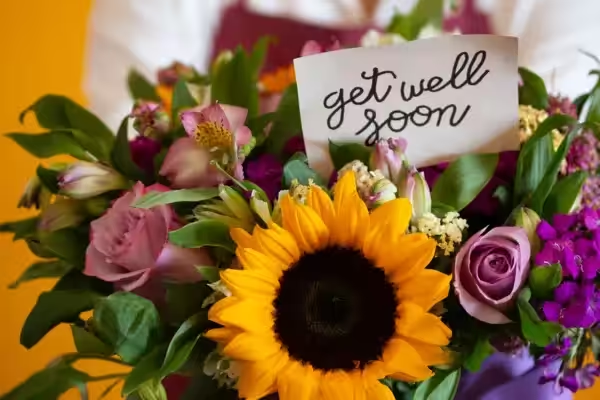
When a person is not well, words often fall short. What one wants to do is comfort the person, lift their mood, and let them know that they are not alone. That is where “get well soon” flowers come into play. They may seem like a simple and traditional gesture. However, there is a lot more to them than one might think. Flowers are not just pretty to look at. They are also a form of emotional communication. They convey feelings of warmth, concern, and hope without ever saying a word.
Throughout history and across cultures, flowers have been a means of expressing emotions that are difficult to put into words. During times of illness, flowers are particularly significant. They can actually influence moods and emotions. Let us take a look at the interesting psychology of how flowers can help a person feel better and contribute to the healing process.
The Emotional Language of Flowers
Flowers have long been associated with emotions. Every flower represents a different meaning. For example, yellow flowers represent happiness, while pastel flowers represent calmness. If someone sends flowers when the person is ill, the message is clear. The person is loved and cared for.
This emotional language works on a subconscious level. The person does not need to think about the meaning of the flowers. They just feel it. The flowers, the smell, and the color evoke emotions. It is like the flowers communicate silently with the person.
Flowers also act as physical proof of support. Sometimes, when a person is ill, they feel alone. The flowers placed next to the person represent a reminder that someone is thinking of them. This reminder of support is emotionally important for recovery.
The Science of Mood Enhancement
Flowers don’t just look beautiful. They actively improve emotional well-being. Research in environmental psychology suggests that exposure to natural elements reduces anxiety and enhances mood. Seeing flowers can even stimulate dopamine release, the brain’s “feel-good” chemical.
This study has shown that exposure to natural elements improves mood and reduces anxiety. As part of nature, flowers produce similar positive effects.
Colors also play a crucial role in this situation. The bright colors of the flowers, such as orange and yellow, stimulate the brain, while blues and greens calm the brain. This is a perfect combination for achieving emotional balance. The visual appeal of sympathy flowers in USA also provides a mental escape from pain and discomfort.
Reducing Stress and Anxiety
There is also emotional stress that comes with being ill. There is uncertainty, fear, and sometimes frustration. Flowers can help relieve emotional stress. Being around flowers provides a relaxing atmosphere, which is important for getting well.
Studies have shown that natural elements can reduce cortisol levels in the body. Cortisol is a hormone linked to stress. Flowers, even in small bouquets or arrangements, have a way of creating a relaxing atmosphere in a room. Their organic forms are a welcome change from the sterile look of a hospital or a clinical setting.
Scent is another aspect of flowers that provides comfort. Certain scents, such as lavender and jasmine, have a relaxing effect on people. When paired with the beauty of flowers, it provides a multi-sensory experience that calms both the mind and body.
The Power of Connection and Support
One of the most significant psychological impacts of ‘get well soon’ flowers is the feeling of connection. There is nothing worse for the human psyche than the feeling of loneliness, even if you are in the company of other people. Flowers help bridge the gap between the patient and their loved ones.
Receiving flowers also enhances social ties. It reminds the patient that they are part of something larger, something social. The feeling of belonging is important for the healing process. Research has shown that social ties can improve health outcomes, including increased immunity.
The act of giving flowers also has significant psychological implications. It allows the giver to channel their empathy and compassion into something constructive. It’s a win-win for both parties, creating a high level of positive emotional energy.
Creating a Healing Environment
The environment in which the person is healing is also a big part of the recovery process. Flowers can greatly improve the ambience of a room. This can directly impact a person’s state of mind.
A room filled with natural beauty feels less intimidating. Instead, it promotes relaxation and a positive state of mind. A small bouquet of flowers can have a big impact. It becomes the focal point of the room, shifting the attention from the sickness to the beauty of the flowers.
Flowers promote a sense of normalcy. A person needs to feel as though they are in their own space. This is especially true when they’re not feeling well. A bouquet of flowers makes the space feel more like home. This is incredibly reassuring.
Symbolism of Hope and Renewal
Flowers are often associated with “growth” and “renewal.” They flourish, thrive, and bring life to their environment. This is particularly relevant for a person seeking recovery from illness.
The sight of flowers may bring hope into one’s life. This is because flowers convey a silent message. “Good times are ahead, and you will get better.” Research has shown that a positive attitude is correlated with better health outcomes and improved recovery.
There are various flowers associated with hope, each with its own meaning. For example, daisies symbolize new beginnings, whereas lilies symbolize renewal. Choosing the right flowers can enhance the emotional impact of the gesture.
The Role of Personalization
Not all flowers have the same impact, but personalization, such as get well soon flowers for her in the United States, can take this gesture to another level.
A person’s favorite color, preferred flowers, or chosen arrangement can make the recipient feel truly special. This shows consideration and attention to detail, which increases the psychological benefits.
Adding a personal note could further enhance its impact. Words of motivation, accompanied by the beauty of flowers, could be a powerful emotional experience.
Cultural and Emotional Significance
While the meaning of flowers varies from culture to culture, their emotional content is always universal. In many cultures, flowers are a part of rituals of healing, happiness, and remembrance. Such a long association of flowers has added a new dimension to their meaning.
In some cultures, certain flowers are believed to bring positive energy and good luck. In some cultures, flowers are considered a symbol of purity and strength. However, the message conveyed by flowers is always the same. It is a message of care, compassion, and hope.
This cultural richness makes flowers a timeless and meaningful gift. They transcend language barriers and communicate emotions in a way that everyone can understand.
Frequently Asked Questions
Do flowers really play a role in emotional healing?
Flowers can improve moods, reduce stress levels, and create a soothing atmosphere, all of which contribute to emotional healing in the context of illness.
What kind of flowers should be sent as “get well soon” bouquets?
Bright, cheerful flowers such as sunflowers, daisies, and tulips are the most popular choices for “get well soon” bouquets, as they represent positive, optimistic thoughts.
Do flowers play a role in physical recovery as well?
Flowers do not have the power to heal or cure any illness, but they can contribute to a person’s overall well-being by reducing stress and improving mood.
Conclusion
“Get well soon” flowers may not seem like a big deal, but their psychological effect is huge. They boost moods, reduce stress, and make people feel connected. They even have the power to transform spaces, evoke hope, and inspire positive energy. Most notably, they make people feel that they are not on their own journey towards health.
In a world where emotional care is just as important as physical care, flowers are positioned to make a big difference. They are a powerful tool because of their beauty, symbolism, and science, all rolled into a single healing experience. The next time you decide to send flowers to someone who is not feeling well, remember that you are not just sending flowers but also strength, comfort, and a nudge towards health.