Your floors take a beating every single day. Foot traffic, spills, furniture dragging, pet claws it all adds up. Over time, even the toughest floors start to look dull, cracked, or just plain tired.
But here is the good news. You do not always need to rip out your old floors. In many cases, a professional protective coating can bring them back to life. Homeowners and business owners across Woodland Park, NJ have been choosing this smarter, more affordable route.
If you have been putting off dealing with your floors, now is a great time to learn what your options actually are. The right coating does more than just look nice. It protects your floor from moisture, stains, and daily wear for years to come.
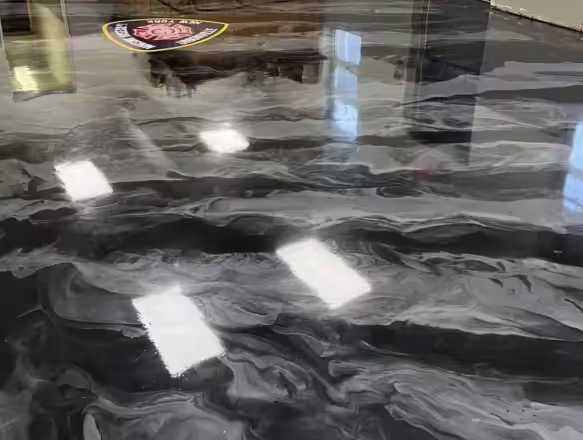
One of the most popular choices right now is professional floor coating solutions and for good reason. Epoxy flooring services have become a go-to fix for garages, basements, commercial kitchens, and warehouses. The results speak for themselves. A worn-out slab can look brand new in just a day or two.
We have seen this firsthand in the Woodland Park, NJ area. Homeowners are shocked at the transformation. What looked like a lost cause turns into a showroom-quality floor that holds up for years.
What Makes a Floor “Worn Out” in the First Place?
Most floors do not fail overnight. It is a slow process. Here is what usually happens:
Moisture seeps in. Concrete is porous by nature. Water finds its way in, especially in basements and garages. Over time, this causes cracks, staining, and surface flaking.
Traffic grinds things down. Every step takes a little off the top. Commercial spaces and busy homes feel this faster than anywhere else.
Chemicals do their damage. Oil drips in garages. Cleaning products in kitchens. Salt tracked in from outside during New Jersey winters. These all eat away at unprotected surfaces.
UV light fades and weakens. Floors near windows or in sun-heavy rooms lose color and surface strength gradually.
Once you know the cause, the fix becomes clearer. And often, a protective layer addresses all of these issues at once.
Why a Protective Coating Can Be the Smarter Choice
Replacing a floor is expensive. We are talking about demolition costs, new materials, labor, and downtime. For a business in Woodland Park, NJ, that downtime alone can cost more than the floor itself.
A protective coating skips most of that. You prep the existing surface, apply the coating, let it cure, and you are done. The process is faster. The cost is lower. And in many cases, the result looks better than the original floor ever did.
Here is a quick comparison worth knowing:
- Full floor replacement: High cost, long downtime, major disruption
- Protective coating: Lower cost, minimal downtime, same (or better) durability
For residential use, think garages, laundry rooms, basements, and mudrooms. For commercial use, think showrooms, warehouses, restaurants, and gyms. The applications are wide.
How the Process Actually Works
Let us walk through what a typical floor restoration looks like. Whether you hire a pro or tackle it yourself, the steps are pretty similar.
Step 1 — Assess the damage. Look at the floor closely. Are there cracks? Is the surface flaking? Is there moisture coming up from below? The answers determine what products you need and how much prep work is involved.
Step 2 — Clean and prepare the surface. This is the most important step, and the one most DIYers rush. Grind away loose material. Remove grease, oil, and old coatings. The surface needs to be clean, dry, and slightly rough so the new coating can bond properly.
Step 3 — Repair any damage. Fill cracks with a floor patching compound. Let it cure completely. Skipping this step means your new coating will fail faster.
Step 4 — Apply a primer. A good primer improves adhesion. It also helps seal the surface against moisture. Do not skip this, especially in basements.
Step 5 — Apply your chosen protective layer. Roll it on evenly. Work in sections. Follow the manufacturer’s recommended thickness and drying time. Rushing the cure will ruin the finish.
Step 6 — Inspect and touch up. Walk the floor in good light. Look for thin spots, bubbles, or areas you may have missed.
This is not a complex process, but it does require patience and the right materials.
The Role of Surface Grinding and Polishing
Before any coating goes down, the surface needs proper preparation. For concrete floors, that often means grinding. And sometimes, grinding is not just prep it is the entire treatment.
Concrete floor polishing is worth mentioning here because it is a great standalone option for spaces that want a clean, industrial look without a topcoat. The process involves progressively finer diamond grinding pads until the surface becomes smooth and reflective.
Polished concrete is durable, easy to clean, and looks sharp. It is popular in retail stores, loft apartments, and modern offices. If you want that sleek grey look, polished concrete might be exactly what you are after.
For most homeowners in Woodland Park, NJ who want color options or extra protection, a coating on top of a polished surface gives the best of both worlds.
Choosing the Right Coating for Your Floor Type
Not every coating works on every floor. Here is a simple breakdown:
Hardwood floors do best with water-based polyurethane. It goes on clear, dries fast, and does not yellow over time. Oil-based versions last longer but take more time to dry and have stronger fumes.
Concrete floors can handle epoxy, polyurethane, or even a penetrating sealer. It depends on what the floor is used for. High-traffic areas need something tougher.
Tile floors sometimes just need a good grout sealer. If the tiles themselves are worn, a skim coat product can fill in surface scratches before sealing.
Vinyl and laminate are trickier. Most coatings do not bond well to these surfaces without a special primer. Talk to a professional before spending money on a product that will not stick.
A good rule of thumb: always match the coating to the substrate. When in doubt, ask a pro.
Practical Tips That Actually Make a Difference
After seeing a lot of floor jobs go wrong (and right), here are the tips that matter most:
Do not coat a wet floor. Moisture is the number one reason coatings fail. Test for moisture before you start. Tape a plastic sheet to the floor overnight. If there is condensation underneath in the morning, you have a moisture problem to solve first.
Buy more product than you think you need. Running out mid-job leaves lap marks and uneven thickness. One extra unit is cheap insurance.
Work in the right temperature range. Most coatings need temperatures between 50°F and 85°F to cure properly. New Jersey winters can make this tricky if you are working in an unheated garage.
Let each layer cure fully. The packaging will say dry time and recoat time. These are different things. Walking on it before it is fully cured can leave marks and compromise the finish.
Use a non-slip additive in wet areas. Bathrooms, kitchens, pool decks — anywhere that gets wet regularly should have an anti-slip texture added to the topcoat.
These tips seem small, but they are the difference between a floor that lasts five years and one that lasts twenty.
What to Expect After the Job Is Done
A properly coated floor is genuinely easy to live with. Here is what day-to-day maintenance looks like:
Sweep or vacuum regularly. Grit and dust are the main enemies. They act like sandpaper under foot traffic.
Mop with a pH-neutral cleaner. Harsh chemicals can dull the finish over time. Stick to mild, floor-safe products.
Recoat when you start to see wear. You do not need to wait for the floor to look terrible. A light maintenance coat every few years keeps everything looking sharp.
Avoid dragging heavy furniture. Use felt pads under chair and table legs. This is true for any finished floor.
Most coated floors in residential settings last anywhere from 5 to 15 years before needing any significant maintenance. Commercial floors in high-traffic areas may need attention sooner, but proper upkeep stretches that timeline considerably.
The Local Advantage: Why Woodland Park, NJ Homeowners Are Acting Now
There is something to be said for local expertise. A contractor who works in Woodland Park, NJ understands the climate here. They know how cold winters affect concrete. They know the humidity levels in summer that can mess with curing times. They understand local building materials and common floor types in the area.
That local knowledge matters. A one-size-fits-all approach often leads to problems. A coating that works great in Arizona might need adjustments for New Jersey’s freeze-thaw cycles.
If you are comparing quotes, look for someone with actual local experience. Ask to see photos of jobs they have done nearby. Check for reviews from other Woodland Park homeowners. That local track record tells you more than any product brochure ever could.
When to Call a Professional vs. DIY
This is a fair question, and the honest answer depends on your floor’s condition and your comfort level.
DIY makes sense when:
- The floor is in decent shape with no major cracks
- It is a smaller area like a single-car garage or laundry room
- You are comfortable with prep work and have the right tools
Call a professional when:
- There are significant cracks, moisture issues, or previous coating failures
- It is a large commercial space with no room for mistakes
- You want a warranty on the work
- The floor has structural concerns that need expert assessment
For most people, hiring a pro for the initial restoration and doing light maintenance coats yourself over the years is the smartest approach. You get the quality of a professional job without paying for every single maintenance visit.
A Quick Note on Cost
Prices vary depending on the coating type, floor size, and the amount of prep work needed. Here are general ranges to help you plan:
- DIY epoxy kit (one-car garage): $100–$300
- Professional epoxy coating (one-car garage): $700–$1,500
- Commercial floor coating per square foot: $3–$12 depending on product and prep
- Concrete polishing per square foot: $3–$8
These are ballpark numbers. Always get multiple quotes. And remember the cheapest quote is not always the best value. A poorly applied coating that fails in a year costs more to fix than the money you saved upfront.
Frequently Asked Questions
How long does a protective floor coating last
Most coatings last between 5 and 15 years depending on traffic and maintenance. Regular cleaning and an occasional maintenance coat can push that number higher.
Can I coat a floor that already has a coating on it?
Sometimes yes, sometimes no. It depends on what the existing coating is and how well it has bonded. A professional can assess whether to strip it first or coat over it.
Is epoxy flooring slippery when wet?
Standard epoxy can be. That is why a non-slip additive or a textured topcoat is recommended for any area that might get wet. Ask your contractor about anti-slip options.
How long do I need to stay off the floor after coating?
Light foot traffic is usually fine after 24 hours. Full cure for vehicles or heavy equipment typically takes 72 hours or more. Follow the product instructions closely.
Can floors be coated in winter in New Jersey?
Yes, but temperature matters. Indoor spaces with heating are fine. Unheated garages in Woodland Park, NJ may need to wait for warmer months or use a space heater to bring the temperature into the proper range for curing.
Does floor coating add value to a home?
It can, especially in garages and basements. A well-done floor makes a great first impression during showings and signals to buyers that the home has been well maintained.