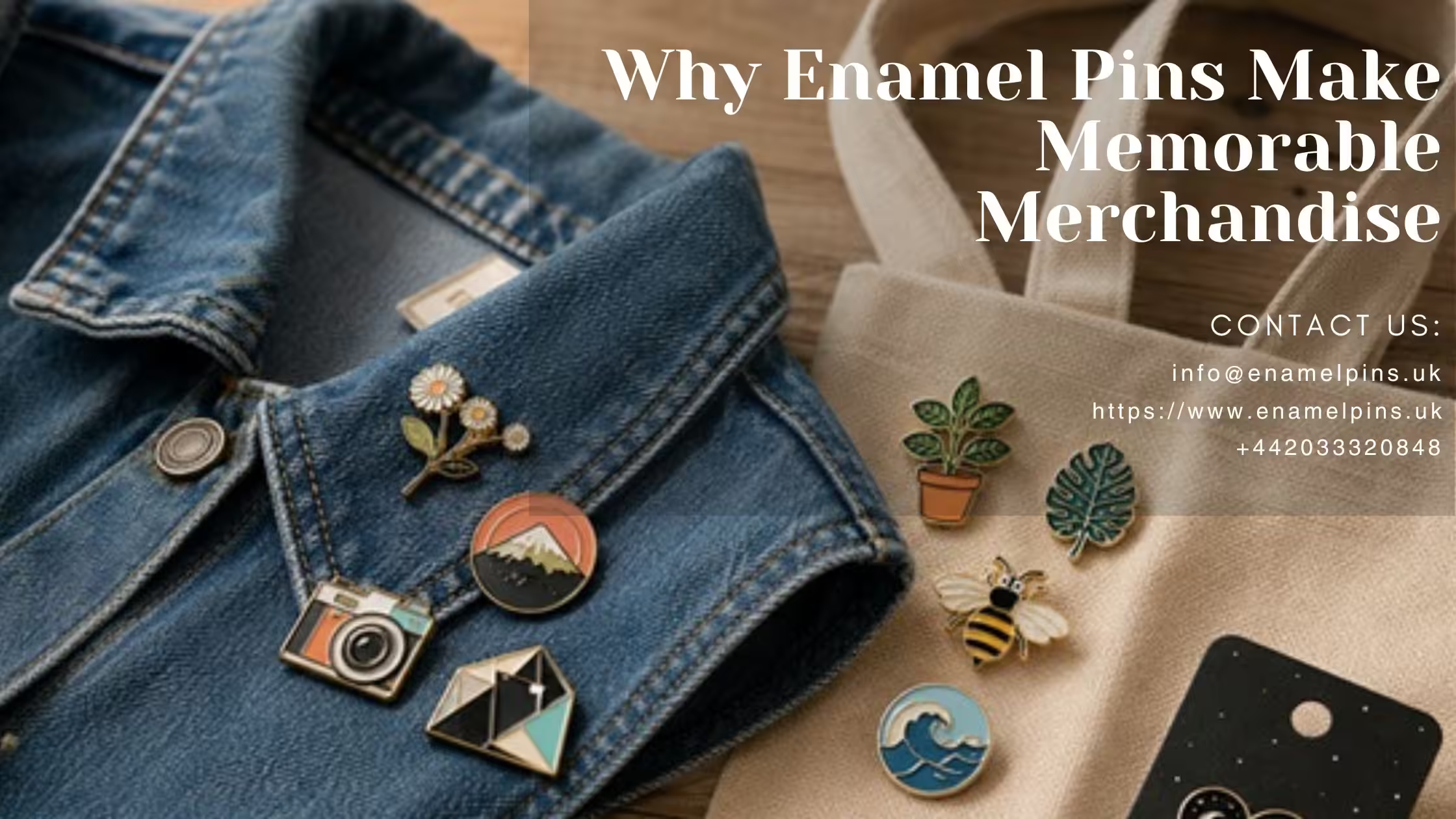
Most branded merchandise ends up in a drawer or the bin within a week. Tote bags get reused for groceries, pens run dry, and flyers get tossed before the ink even dries. Somehow, pins avoid all of that. They end up on jackets, bags, and lanyards, staying visible long after the event or campaign that handed them out is over.
This blog looks at why that happens, where pins genuinely earn their keep, and what’s worth checking before you place an order. No sales pitch, just what actually works and why.
Enamel Pins Are Made to Outlast the Rest
A pin’s durability comes down to what it’s made of. Most are built on die-struck metal, then filled with hard or soft enamel to hold the colour and design in place. That combination doesn’t fade in the sun, crack in the cold, or wash out in the rain, unlike printed stickers or fabric patches, which tend to peel, fray, or fade within a season.
Stickers might last a few months on a laptop before the edges lift. A printed t-shirt holds up for a year or two of regular washes before the design cracks. A well-made pin can stay intact for years, which is why custom enamel pins tend to outlast most other giveaway items handed out at events or included with orders. The metal base and enamel fill simply hold up better over time.
Worn On Purpose
A flyer gets skimmed and binned. A sticker might sit in a drawer. A pin, though, only ends up on a jacket or bag if someone actually wants it there. That’s the difference: people choose to wear it, which means the design has to earn its spot first.
A Small Design Choice That Gets Noticed
Once it’s on display, it tends to do more than sit there quietly. Someone spots a pin that matches their own interests, whether that’s a hobby, a cause, or a shared inside joke, and it opens a conversation. That’s a kind of reach flyers and stickers rarely manage, since nobody stops a stranger to talk about a sticker on a bag.
Why That Matters for a Brand or Cause
This is where the pin does its quiet work. Every conversation it starts is unpaid, unplanned, and far more convincing than an advert, simply because it comes from someone genuinely wearing the design rather than a business promoting it.
Something Worth Keeping
Pins hold their value well after the moment they were given out, which is part of why people keep them instead of throwing them away. A limited run, an event-only design, or a set released in parts gives someone a reason to hold onto one and look out for the next.
Pins hold their value well after the moment they were given out, which is part of why people keep them instead of throwing them away. A limited run, an event-only design, or a set released in parts gives someone a reason to hold onto one and look out for the next.
- Limited or one-off designs tied to a specific event or launch
- Sequential sets, where owning one means wanting the rest
- Exclusive pins only available to members, subscribers, or attendees
Some brands take this further by pairing pins with custom coins, using both as tiered rewards for milestones or loyalty programs. The combination gives supporters something tactile to work toward, rather than a one-time giveaway they forget about within a week.
A pin someone keeps says a lot more about a brand than a flyer they threw out the same day.
Where Pins Actually Earn Their Place
Not every use case makes sense for pins, but a good few do it well.
- Marking employee milestones: A pin for five years of service or hitting a target feels more personal than a certificate that gets filed away.
- Event giveaways: Handed out at a launch, conference, or trade stand, where attendees actually want something small to take home.
- Fundraiser add-ons: Included with a donation or sold alongside the main cause, giving supporters something to show for their contribution.
- Checkout add-ons for retail: A small extra with an order, encouraging repeat purchases without adding much to the cost.
- Loyalty and subscription perks: Sent out periodically to members or subscribers, giving them a reason to stay signed up.
Each of these works because the pin isn’t the main offer. It’s the bit people remember after everything else has been used up or forgotten.
Types and What They Actually Cost
Which Type Suits Your Design
| Pin Type | Best Suited For |
| Hard Enamel | Polished, premium finish for retail or corporate merchandise |
| Soft Enamel | Bold colours and textured feel, good for casual or artistic designs |
| Die-Struck | Metal-only look, suited to classic logos or minimal branding |
| UV/Offset Printed | Full-colour or photo-style detail that enamel can’t reproduce |
The Real Cost Breakdown
Price mostly comes down to quantity. A small batch of a hundred or so tends to sit at the higher end per unit, since the mould and setup fees get spread across fewer pins. When ordering custom enamel pins in bulk, say a few hundred or more, the cost per unit typically drops, as those same setup costs are divided across a much larger run. Add-ons like glitter, backing cards, or custom packaging will nudge the price up slightly, but the quantity ordered remains the biggest factor in the final cost.
Design Details That Actually Matter
Small pins don’t forgive cluttered designs. Fine text or intricate line work tends to blur once it’s scaled down to an inch or two, so it’s worth simplifying details early rather than fixing them after a sample comes back wrong.
Colour count matters too, particularly for soft enamel, where each colour needs its own recessed section. Sticking to four or five colours keeps the design clean and keeps production straightforward. Hard enamel handles a few more colours without losing sharpness, but simpler is still safer.
For logo-based pins, plating makes a real difference. Gold or silver plating suits a minimal, corporate logo, while a black nickel or antique finish can give the same design a slightly different feel. Getting the plating right often matters as much as the design itself.
Before You Place the Order
A few practical details are easy to miss until they show up on the invoice or delay the delivery.
Packaging and Backing
Check whether backing cards, poly bags, or velvet pouches are included or charged separately.
Setup and Mould Fees
Die-struck and hard enamel pins often carry a one-off mould fee, usually waived on repeat orders with the same design.
Turnaround Time
Standard production can take a few weeks; rushed orders usually cost more and need confirming upfront.
Minimum Order Quantities
Most suppliers set a minimum, often around fifty to a hundred pins, so check this before finalising a small batch.
A Few Common Questions
What is another name for an enamel pin?
They’re also called lapel pins, since the original design was meant to sit on a jacket lapel, even though most now end up on bags, hats, and lanyards instead.
What size works best for an enamel pin?
Most designs sit between 0.75 and 1 inch. That size is easy to spot without overwhelming whatever it’s pinned to, and it keeps production simpler for detailed artwork.
Do hard enamel pins really last longer than soft enamel ones?
Yes. Hard enamel is polished flat and sealed, so it resists scratches better over time. Soft enamel holds up well too, just with a slightly more textured surface that’s marginally more prone to wear.
Are enamel pins still popular, or has interest faded?
They’re still very much in demand. Between collectors, brands, and everyday buyers looking for something to personalise a jacket or bag, pins have held their popularity rather than fading as a trend.
Is it worth selling enamel pins as a side business or add-on?
For many small brands and independent sellers, yes. Margins are healthy once production costs are spread across a decent batch size, and pins tend to sell well alongside existing products or at events.
Final Thought
Pins work because they hold up, get worn on purpose, and cost little to produce well. That combination is hard to match with most other merchandise, whether the goal is brand visibility, staff recognition, or a fundraiser add-on. Get the type, size, and finish right, and a pin ends up doing far more than most giveaways ever manage.