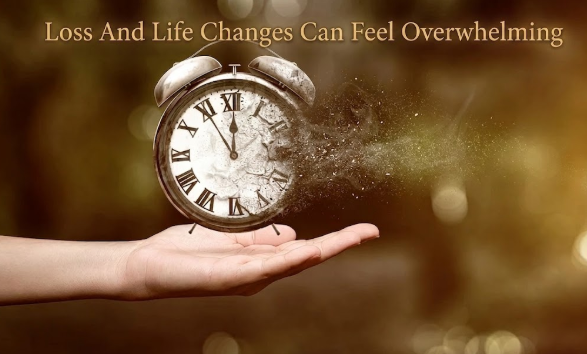
Loss and change are part of life, but that does not make them easy to handle. Whether it is losing a person, a relationship, a job, a routine, or even a sense of stability, the impact can leave a person feeling heavy and confused. Sometimes everything changes at once. Other times, it happens slowly, and you only realize the weight of it later. Either way, it can leave you feeling unsettled, emotional, and unsure of what to do next.
If you are going through something like this, it is important to understand one thing: feeling overwhelmed does not mean you are weak. It means something in your life has shifted, and your mind is trying to adjust. Handling loss and change better is not about rushing through it. It is about learning to move through it in a steady, realistic way.
Why Loss and Change Feel So Overwhelming
Loss and life changes affect more than just one part of your life. They disrupt your sense of normal in many ways. You are not just dealing with what is happening to you, but also with:
- The absence of what used to be there
- The uncertainty of what comes next
- The emotional adjustment that follows
Your mind likes predictability. That’s why it likes routine and familiarity. When something changes, especially suddenly, it creates a sense of instability. This is why even positive changes can feel overwhelming. A new job, a move, or a major life shift can bring stress along with opportunity. It is not just about what has changed. It is about what you lost along the way.
You cannot “Rush Through” These Feelings.
One of the biggest mistakes people make is trying to move on too quickly. You should take your time. You might feel pressure to:
- Stay strong
- Act normal
- Avoid talking about it
- Get back to your routine immediately
But emotional adjustment does not work like that. Loss needs to be processed. Change needs to be understood. If you rush it, those emotions often come back later in different ways:
- Sudden frustration
- Emotional numbness
- Overthinking
- Feeling stuck without knowing why
Taking time does not slow you down. It helps you move forward properly.
Also, read this book : FIRST 28 YEARS: My Story From a Broken Household to Battleships
Step One: Acknowledge What Has Changed
The first step is simple but important. Be honest about what you are feeling. Instead of minimizing it, say it clearly to yourself:
- This is a big change.
- This loss has affected me
- I am not feeling like myself right now
This level of honesty reduces internal resistance. When you stop pretending everything is fine, you create space to actually deal with what you feel.
Step Two: Allow Yourself to Feel Without Judging It
Loss and change bring different emotions at different times.
You might feel:
- Sad one moment
- Calm the next
- Angry without a clear reason
- Numb at times
All of this is normal.
The problem starts when you judge your own feelings.
You might think:
- I should be over this by now
- Why am I still thinking about this?
- I should not feel this way
There is no fixed time for emotional adjustment. Instead of judging yourself, observe them. Let them come without trying to force them away.
Step Three: Focus on Stability, Not Perfection
When life changes, trying to “fix everything” can make things harder. Instead of aiming for perfection, focus on creating small areas of stability.
This could be:
- Keeping a simple daily routine
- Eating meals at regular times
- Getting enough rest
- Completing small tasks
These small actions give your mind something steady to hold onto. You do not need to rebuild your entire life immediately. You need to create enough structure to stay grounded.
Step Four: Accept That Some Things Will Not Feel the Same
This is one of the hardest parts. After a loss or major change, things often do not go back to how they were. And that can be painful.
You may:
- Miss how things used to feel
- Compare everything to the past
- Feel like something is missing
This is natural.
But constantly trying to recreate the past can keep you stuck. Instead, focus on adjusting to what is now. It does not mean forgetting the past. It means learning to live with it.
Step Five: Manage the “What If” Thinking
During uncertain times, your mind can go into overdrive.
You may find yourself thinking:
- What if things get worse?
- What if I made the wrong decision?
- What if I cannot handle this?
These thoughts increase anxiety because they focus on possibilities, not reality. Try bringing your attention back to what is actually happening right now.
Ask yourself:
- “What is real at this moment?”
- “What do I need to handle today?”
This helps reduce unnecessary mental pressure.
Step Six: Do Not Carry Everything Alone
It is common to withdraw during difficult times. You may not feel like talking or explaining what you are going through. But carrying everything alone can make things heavier.
You do not need to open up completely. But having some level of connection helps.
This could be:
- A simple conversation with someone you trust
- Spending time around people, even without deep discussion
- Being in an environment where you feel less isolated
Sometimes, just not being alone with your thoughts makes a difference.
Step Seven: Give Yourself Time to Adjust
Adjustment is not instant.
After a major change or loss, your mind needs time to:
- Understand what happened
- Accept the new reality
- Rebuild a sense of normal
Some days will feel better. Others may find it just as difficult as the beginning. This does not mean you are going backward. It means you are in the process. Progress during these times is not always visible, but it is happening.
Step Eight: Find Small Moments of Normality
When everything feels uncertain, small moments of normal life become important.
This could be:
- Doing something familiar
- Visiting a place where you are comfortable
- Watching something that relaxes you
- Continuing a small habit, you enjoy
These moments do not solve everything, but they remind you that not everything is lost. They create balance during an unstable time.
Step Nine: Let Your Perspective Shift Naturally
Over time, your understanding of the situation may change.
What feels overwhelming now may:
- Become easier to manage
- Feel less intense
- Make more sense
You might start to see:
- What you learned from the experience
- What you need to change going forward
- What matters more to you now
This shift does not happen overnight. It develops slowly as you move through the experience.
The Reality of Handling Loss and Change
There is no perfect way to deal with loss or life changes. Some days you will feel strong. Other days, you may feel completely off. That does not mean you are not handling it well. Handling it better does not mean avoiding pain. It means:
- Facing it honestly
- Managing it patiently
- Allowing yourself to adjust over time
You are not expected to have everything figured out immediately.
Final Thought
Loss and life changes can feel overwhelming because they disrupt your sense of stability and control. But you do not need to solve everything at once.
- Take it step by step.
- Focus on what you can handle today.
- Allow yourself time to adjust.
Things may not go back to how they were, but over time, they can settle into something that feels manageable again. And even if it does not feel like it right now, you are more capable of handling this than you think.